

Yard Drainage for Ravine Lots in Glen Carbon, IL
A lot of Glen Carbon backyards end where the ground drops into a creek or a ravine. Water heads that way fast, and on the way it settles against foundations, cuts the lawn at the edge and washes the bank. Jon regrades the yard and carries the water down in a way the slope can take.
- Free quotes
- Jon quotes every job
- Residential and commercial
Yard Drainage in Glen Carbon
A coal village that became subdivisions
Glen Carbon took its name from the coal under it. The Madison Coal Corporation helped found the village, which was incorporated in 1892, and the company closed in 1931. For most of the last century the place stayed small, under 2,000 people as late as 1970.
Then it grew almost threefold in ten years, to more than 5,000 by 1980, and kept going to nearly 14,000 by 2020. Most homes here sit in subdivisions laid over rolling ground, and the oldest of those are now forty-plus years old. That age is a big part of why the drainage calls come in.
Older homes and grade that has sunk
The soil packed back against a foundation when a house is built keeps settling for years. On a lot from the 1970s or 1980s, that strip along the wall has often dropped enough to tip water toward the house instead of away from it. Mulch beds and edging on top hide it until a hard rain.
Jon fixes it from the ground up. Clay-rich fill goes against the wall and is shaped so it falls away, with topsoil on top for grass or beds. The fill dirt and topsoil guide explains why the two layers are different material.
Lots that back onto a ravine
Judy's Branch runs through the village just south of its centre and heads west into the Mississippi valley lowlands, with smaller draws feeding it from the neighbourhoods. Plenty of back lot lines sit at the top of one of those slopes.
On those lots the edge is the weak point. Every downspout and every square foot of lawn sends water toward the drop, and where it all goes over in one place it cuts a notch that grows each year. Spreading the water out, or piping it down to the bottom in a buried line, keeps the bank from losing ground.
What the creek study found here
The US Geological Survey picked Judy's Branch as a pilot site when it studied streams draining the Metro East bluffs. Near the bottom of the watershed it measured far more sediment than came off the upland, and the likely extra source was the creek's own banks wearing away. The report links that to land-use change sending more water down the channel.
A single yard will not change a creek. Even so, water that leaves your lot slowly, across grass or through a pipe to a protected outlet, does less damage to your own slope on the way down.
Before the trench goes in
Every drain line starts with a JULIE locate. Call 811 or 800-892-0123 at least two working days before digging, and each utility marks its own lines. Private lines such as an old sump discharge or a feed to a shed are not marked, so point them out before work starts. A spade-width trench can still cut a line nobody marked.
Many subdivision lots also carry drainage easements along the back or side. If the work touches an easement or the creek bank, ask the Village of Glen Carbon first. The JULIE guide covers how the marks work.
A price on your Glen Carbon yard
Jon looks at the lot in person, including the slope at the back, and gives you one free figure. Call or text, and a photo from the last heavy rain helps him see it before he arrives. Ravine lots vary a lot in how a machine can reach the back, so the visit also settles which equipment fits through the gate.
Other work on the same lot can go on that quote. A falling-down shed near the ravine can come out with demolition in Glen Carbon, and overgrown banks can be cut back first with land clearing in Glen Carbon. For the rest, see the Glen Carbon page.
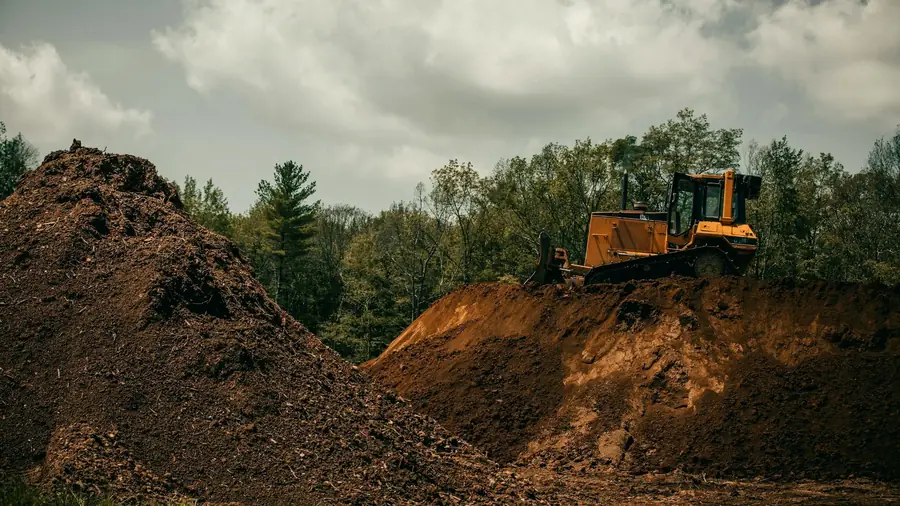
Yard Drainage & Grading
Standing water moved off the yard and away from the house: regrading, swales and buried drain lines.
See the serviceTalk to Jon(217) 710-0606
Show Jon where the water goes over the edge of your Glen Carbon yard. He walks the slope and quotes it himself, free.
Call nowWhat that covers
- Foundation regrades. Settled ground along older homes rebuilt to fall away from the wall.
- Ravine-edge drainage. Water spread out or piped down so the back slope stops washing.
- Buried downspout lines. Roof water carried under the lawn to a protected outlet.
- Washouts repaired. Notches and channels at the lot edge filled and reshaped.
Glen Carbon, IL
A village between Edwardsville and Maryville, mostly subdivisions on rolling ground cut by creeks and ravines.
Town pageAlso in Glen CarbonDemolition & Debris Removal in Glen Carbon, IL
See the pageAlso in Glen CarbonConcrete Removal in Glen Carbon, IL
See the pageAlso in Glen CarbonGravel Driveways in Glen Carbon, IL
See the pageAlso in Glen CarbonDemolition in Glen Carbon, IL
See the pageThe serviceYard Drainage & Grading
Standing water moved off the yard and away from the house: regrading, swales and buried drain lines.
Main service pageGlen Carbon and the towns nearby
Glen Carbon runs into Edwardsville on one side and Maryville on the other, and Jon works across all of it. See yard drainage in Edwardsville for flatter subdivision lots, and yard drainage in Troy for the farm ground east along I-55/70. Gravel drives on these slopes are covered under gravel driveways in Glen Carbon. On rolling ground like this, a drive and a yard often share the same runoff, so the two are worth looking at together.
Four steps, no surprises
Tell us the job
Call, text or send the form. A photograph of the ground and the way in tells Jon more than a description does.
Jon prices it himself
Jon quotes every job. You are not talking to a call centre and the number comes from the person who will do the work.
The machines turn up
Excavator, skid steer or the dump truck, whatever the job actually needs.
It gets left clean
Debris hauled off and the ground graded back, whichever was agreed. The job is not done while there is a pile in your yard.
Photos of his work.
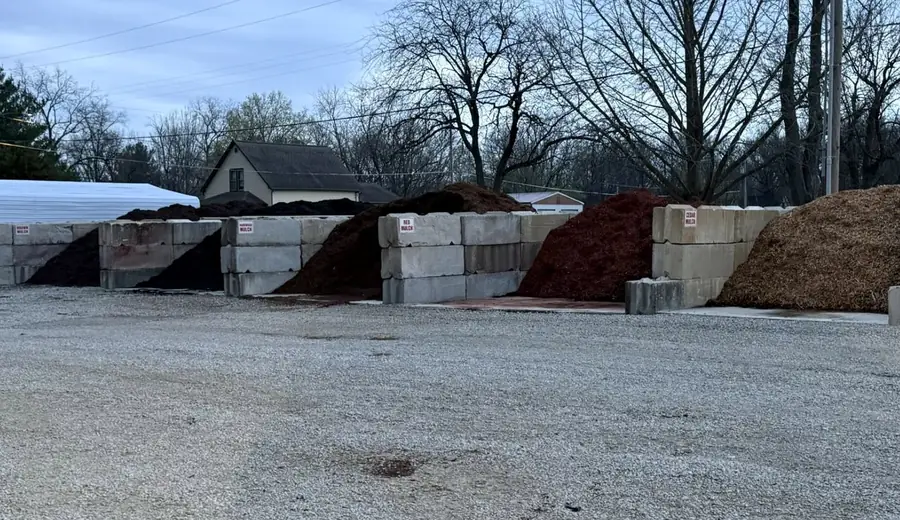
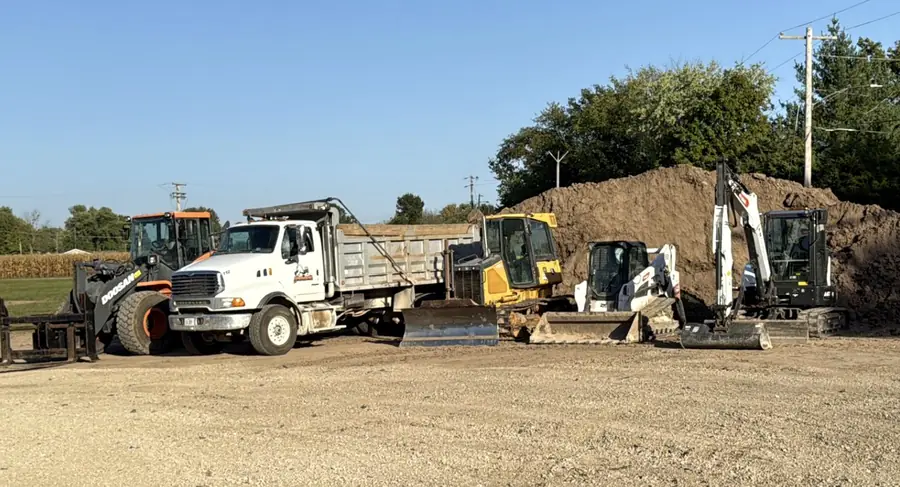
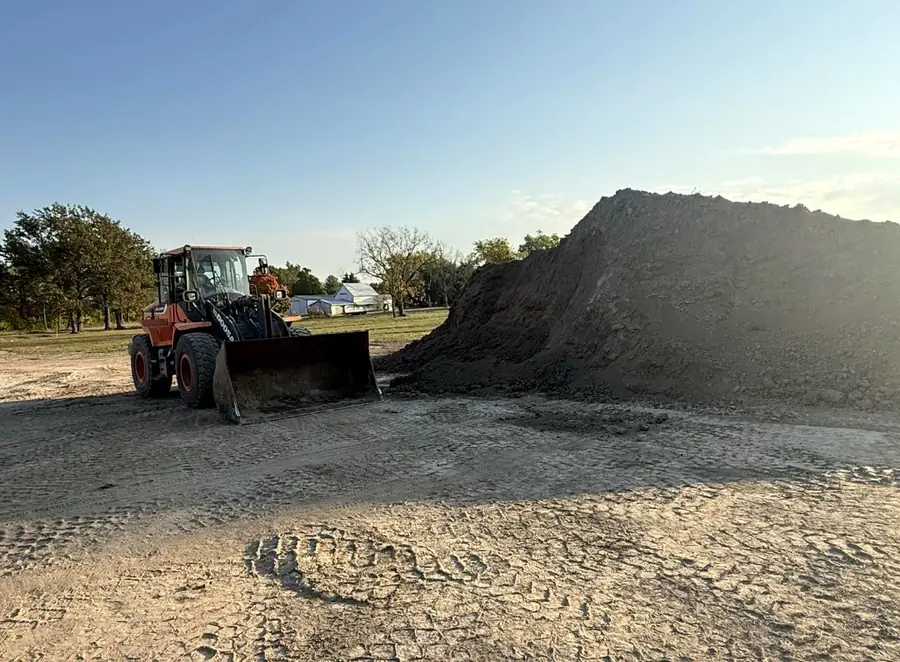
These are photographs from actual jobs. See more recent work. Or read about the full yard drainage & grading service.
Questions people ask
Not seeing yours? Call (217) 710-0606 and ask Jon, or read the guides.
My backyard slopes into a ravine and the edge keeps washing. Can you fix it?
Usually. The aim is to stop all the yard's water going over the edge in one spot. The yard is regraded so it spreads out across grass, or the water is collected and piped down to the bottom in a buried line with a protected outlet. Badly cut notches are filled and reshaped first.
Why does water now run toward my house when it didn't before?
On older Glen Carbon homes, the soil against the foundation settles over the years until it slopes the wrong way. Mulch and landscaping hide it. Building that strip back up with fill and shaping it away from the wall is one of the most common drainage jobs here.
Can I run my downspouts into the creek?
Ask the Village of Glen Carbon before a line discharges onto a creek bank or into an easement. Often the better option is an outlet partway down the slope onto rock or grass, so the water does not scour the bank. The choices get walked through on site before anything is dug.
Do you do basement waterproofing?
No. 3D works on the ground outside: grading, swales, buried drain lines and fill. If water is still getting through the wall once the outside is fixed, that is a job for a waterproofing contractor.
What does it cost?
It depends on how much fill comes in, how long the drain lines are and how hard the slope is to reach. There is no flat rate. Jon gives you one figure after he has walked the lot, and the quote is free.
Other work he takes on
Most jobs end up being two or three of these at once, and they get quoted together.
Yard Drainage & Grading in other towns
Demolition & Debris Removal
Sheds, garages, slabs and old buildings taken down and hauled.
Learn moreGrading & Dirt Work
Ground shaped so the water leaves, and keeps leaving.
Learn moreDriveways & Gravel
A drive built on a base that carries weight.
Learn moreExcavation & Site Prep
Ground opened, cut to grade and ready for the next trade.
Learn moreLand Clearing
Overgrown ground taken back to something you can use.
Learn moreHauling & Delivery
Rock, dirt, sand and mulch delivered by dump truck.
Learn moreFree estimate in Glen Carbon.
Send the details and Jon will come out and look at it. If it is easier to talk it through, call him directly.
Hillsboro and Montgomery County, Edwardsville, Collinsville, Glen Carbon, Troy, Highland and the Metro East, and across central Illinois to Springfield, Decatur and Effingham.
Need yard drainage in Glen Carbon?
Send the job over and Jon will come back to you himself.